
- 7 July 2026
- 9 min read
Choosing suitable boxes for moving house can protect your belongings, make loading safer and use the available vehicle space more efficiently. This guide explains the most common box sizes, what to pack inside each type and how many boxes your house move may require.
Why Choosing the Right Moving Boxes Matters
Boxes that are too large can become dangerously heavy, while boxes that are too small may increase the number of trips needed between your property and the removal vehicle.
Using a mixture of sizes makes it easier to distribute weight, protect fragile belongings and stack boxes securely during transportation.
Common Moving Box Sizes
Exact dimensions vary between suppliers, but most moving boxes fall into several common categories. The approximate measurements below provide a useful general guide.
Always check the actual dimensions and weight rating before buying or filling any box.
- Small boxes: approximately 30–40cm wide, suitable for books, tins, tools and other heavy items.
- Medium boxes: approximately 40–50cm wide, suitable for kitchenware, toys, small appliances and general household belongings.
- Large boxes: approximately 50–60cm wide, suitable for bedding, cushions, lampshades and other lightweight bulky items.
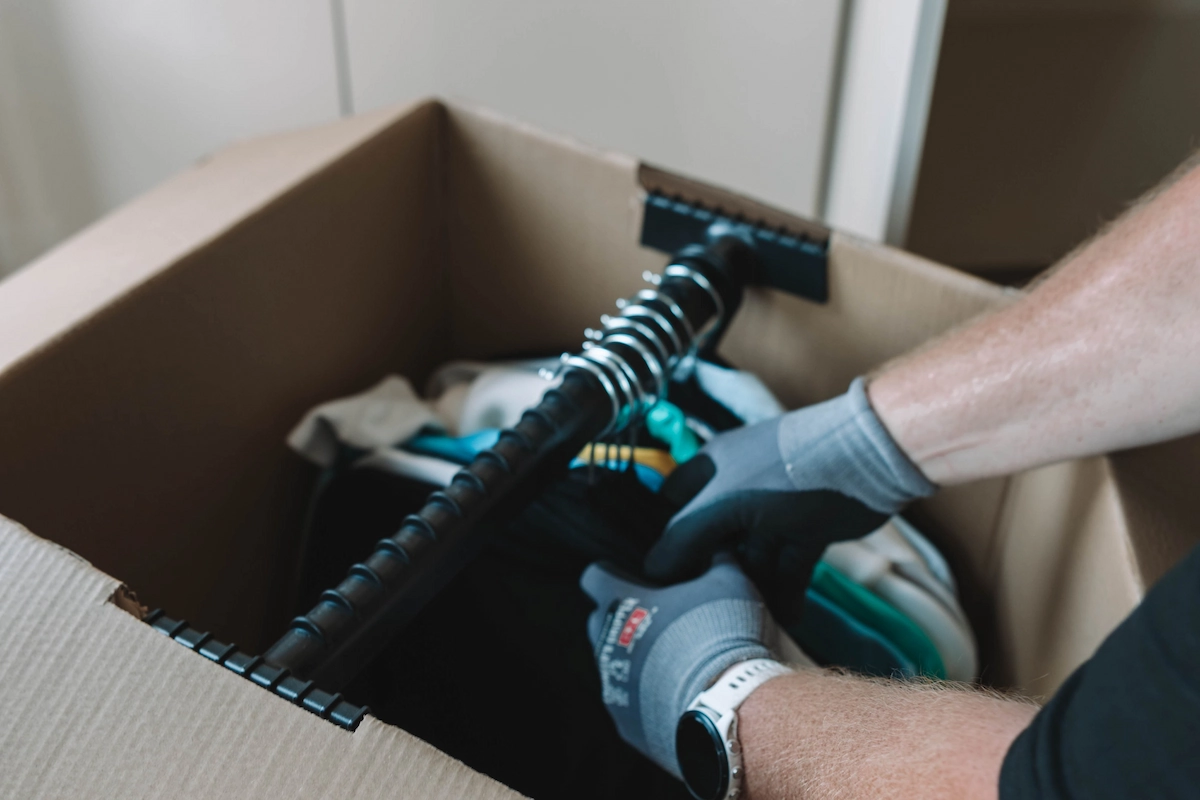
- Wardrobe boxes: tall boxes with a hanging rail for transporting clothing on hangers.
- Picture or mirror boxes: flat or adjustable boxes designed to protect framed artwork, mirrors and televisions.
“The largest box is not always the best choice—the correct box should protect its contents while remaining safe to lift.”
Small Moving Boxes
Small boxes are ideal for compact, heavy belongings such as books, paperwork, tins, jars, tools and some kitchen items. Limiting these belongings to smaller boxes helps prevent them from becoming too heavy to lift safely.
Fill gaps to stop the contents moving, reinforce the base with packing tape and avoid stacking delicate items beneath heavy objects.
Medium Moving Boxes
Medium boxes are the most versatile option for a house move. They can hold kitchenware, toys, folded clothing, small appliances and a wide range of general household belongings without becoming unnecessarily bulky.
Large Moving Boxes
Large boxes are best used for lightweight, bulky belongings such as bedding, cushions, soft toys, towels and lampshades. These items take up considerable space without making the box dangerously heavy.
Avoid filling large boxes with books, tins or other dense belongings. Reinforce the base, fill empty spaces and make sure the top closes without bulging.
Wardrobe Boxes
Wardrobe boxes contain a hanging rail so clothing can be transferred directly from your wardrobe while remaining on its hangers. They are particularly useful for suits, dresses, coats and clothing that creases easily.
Avoid overfilling the rail and use any remaining space at the bottom only for lightweight belongings such as shoes or folded accessories.
Book Boxes
Book boxes are smaller and stronger than many general-purpose boxes. Their compact size prevents books, paperwork and other dense belongings from becoming too heavy to carry safely.
Pack books flat or with their spines facing down, fill any gaps to prevent movement and avoid placing delicate book covers directly against rough cardboard edges.
Picture, Mirror and Television Boxes
Specialist flat or adjustable boxes provide additional protection for framed artwork, mirrors and televisions. Wrap each item appropriately, protect the corners and make sure it cannot move inside the box.
Keep televisions and large mirrors upright during handling and transportation. Use the manufacturer’s original packaging where available, and avoid placing pressure or heavy boxes against screens or glass.
How Many Moving Boxes Will I Need?
The number of boxes required depends on the size of your property, how many people live there, how heavily furnished it is and how much you declutter before packing.
Box sizes also make a difference, so estimates should be treated as a starting point rather than a guaranteed quantity. It is usually sensible to have a few spare boxes available.
Approximate Box Quantities by Property Size
As a broad guide, a typical household may require approximately:
- 1-bedroom flat: 10–20 boxes
- 2-bedroom property: 20–35 boxes
- 3-bedroom property: 30–50 boxes
- 4-bedroom property: 40–70 boxes or more
A lightly furnished property may need fewer, while homes containing large book collections, full cupboards, loft contents or several occupants could require considerably more.
Should You Use New or Used Moving Boxes?
Used boxes can reduce costs, but they should be clean, dry, undamaged and strong enough to support their contents. Avoid boxes weakened by moisture, torn handles, crushed corners or previous use with food and liquids.
Use new or specialist boxes for fragile, valuable or heavy belongings. If reusing a suitable box, remove old labels and reinforce the base with strong packing tape.
Can Plastic Moving Crates Be Used Instead?
Plastic crates can be a strong, reusable alternative to cardboard boxes. They stack securely, resist moisture and usually require no packing tape, making them useful for office moves and some household belongings.
Crates are often rented and must be returned by an agreed date. They may not replace specialist wardrobe, television, mirror or picture boxes, so many moves benefit from using a combination of containers.
How to Pack Moving Boxes Safely
Reinforce the base with strong packing tape, place heavier belongings at the bottom and use lighter items or protective material towards the top. Fill empty spaces so the contents cannot move during transportation.
Keep every box at a safe lifting weight and make sure the top closes flat without bulging. For more detailed advice, link to the 25 Expert Packing Tips for Moving House article.
How to Label Moving Boxes
Write the destination room and a short description of the contents on the top and at least one side of every box. Add instructions such as “Fragile”, “This Way Up” or “Open First” where needed.
A colour-coded label for each room can make unloading faster. Remove or cover old labels when reusing boxes so there is no confusion.
Where to Get Moving Boxes
Moving boxes can be purchased from removal companies, specialist packaging suppliers, storage facilities, home-improvement retailers and online shops. Check the dimensions, strength and intended use rather than choosing solely by price.
Free used boxes may be available from local businesses or community groups, but inspect them carefully for moisture, damage, dirt or weakness before packing your belongings.
Can ShiftMate Provide Moving Boxes?
Yes. ShiftMate can provide suitable moving boxes and protective materials as part of an agreed packing or removal service. Available materials can include different box sizes, packing tape, protective wrap and wardrobe boxes where required.
Tell us what you need when requesting your quote so we can allow for the correct materials and packing requirements.
FAQs
Common Moving Box Questions
Here are answers to some common questions about choosing, packing and preparing moving boxes for your house move.
What size moving boxes should I use?
Use small boxes for books, tins, tools and other heavy belongings; medium boxes for general household items; and large boxes for lightweight, bulky belongings such as bedding and cushions. Specialist boxes are recommended for clothing, televisions, mirrors and pictures.
How many moving boxes will I need?
A 1-bedroom property may require around 10–20 boxes, while a 3-bedroom home may need approximately 30–50. The actual quantity depends on the number of occupants, property contents, box sizes and how much you declutter before moving.
Can I use second-hand boxes for moving?
Yes, provided they are clean, dry, undamaged and strong enough to support their contents. Avoid boxes with moisture damage, crushed corners or weakened bases, and use new or specialist boxes for fragile and valuable belongings.
What should be packed in large moving boxes?
Large boxes should contain lightweight, bulky belongings such as bedding, cushions, towels, soft toys and lampshades. Avoid filling them with books, tins or other dense items because the box may become unsafe to lift.
Are wardrobe boxes worth using?
Wardrobe boxes are useful for suits, dresses, coats and other hanging clothes that crease easily. Clothing can remain on its hangers and be transferred directly from one wardrobe to another.
Can ShiftMate provide moving boxes?
Yes. ShiftMate can provide suitable moving boxes and protective materials as part of an agreed packing or removal service. Tell us what you require when requesting your quote so the correct materials can be included.